SecOps Manager
Keeps threats from becoming incidents.
Reports to
 Marcia Hale, Head of Security Operations
Workspace
IT SECURITY (IT)
Budget
$300/MO
Skills
SOC investigation
Phishing triage
+6
Works in






Your security team’s newest AI Coworker, built to contain real threats fast, from risky sign-ins to phishing and fresh CVEs.
Keeps threats from becoming incidents.
Reports to
Marcia Hale, Head of Security OperationsWorkspace
Budget
Skills
Works in






Sign-ins, MFA, sessions and admin grants, rebuilt into one timeline

Search every log to scope a campaign or an alert

Cortex cases, issues and endpoints, read in one pass
Vulnerability findings ranked by exploitation, not just CVSS

Who clicked, plus domain blocks once they’re approved

EDR detections and endpoint context
Every alert gets looked at, every exposed host gets found and every fix gets chased, even when your team is heads-down on something bigger.
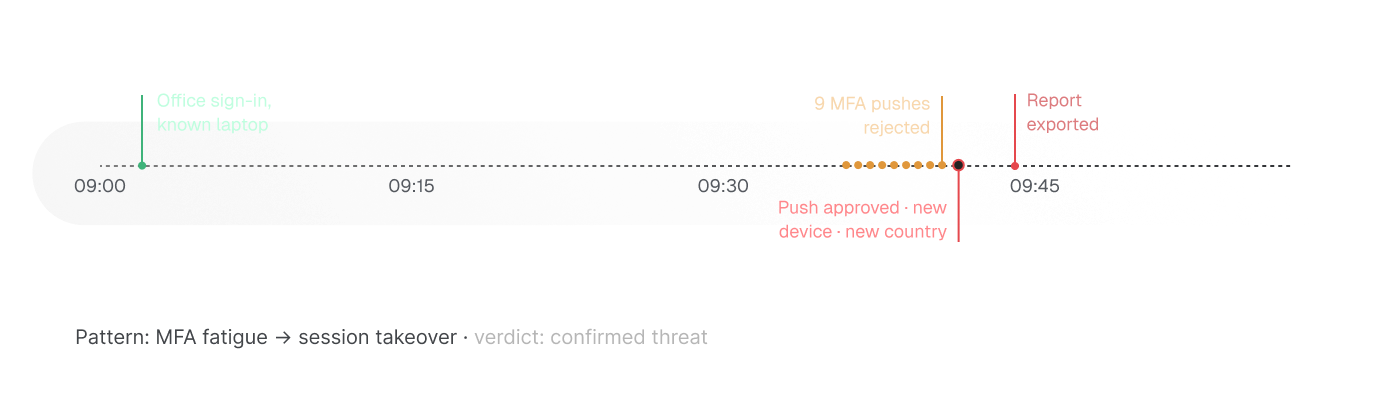


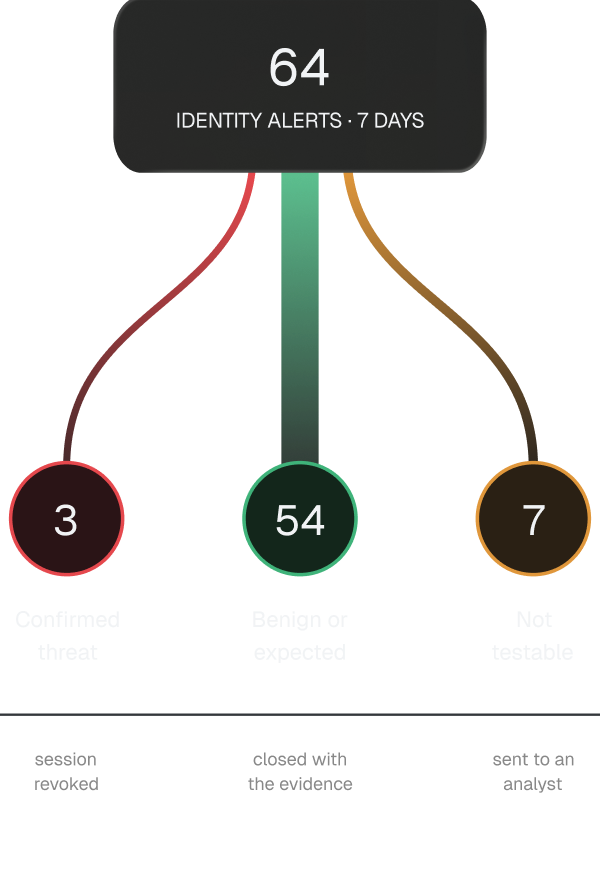
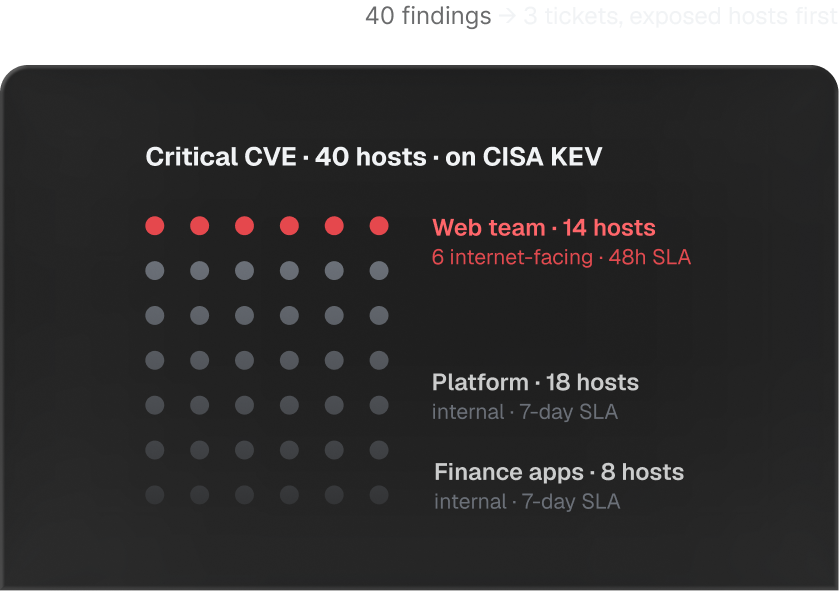

The SecOps Manager reads each case on its merits, backs every call with evidence and acts only as far as it’s cleared to.
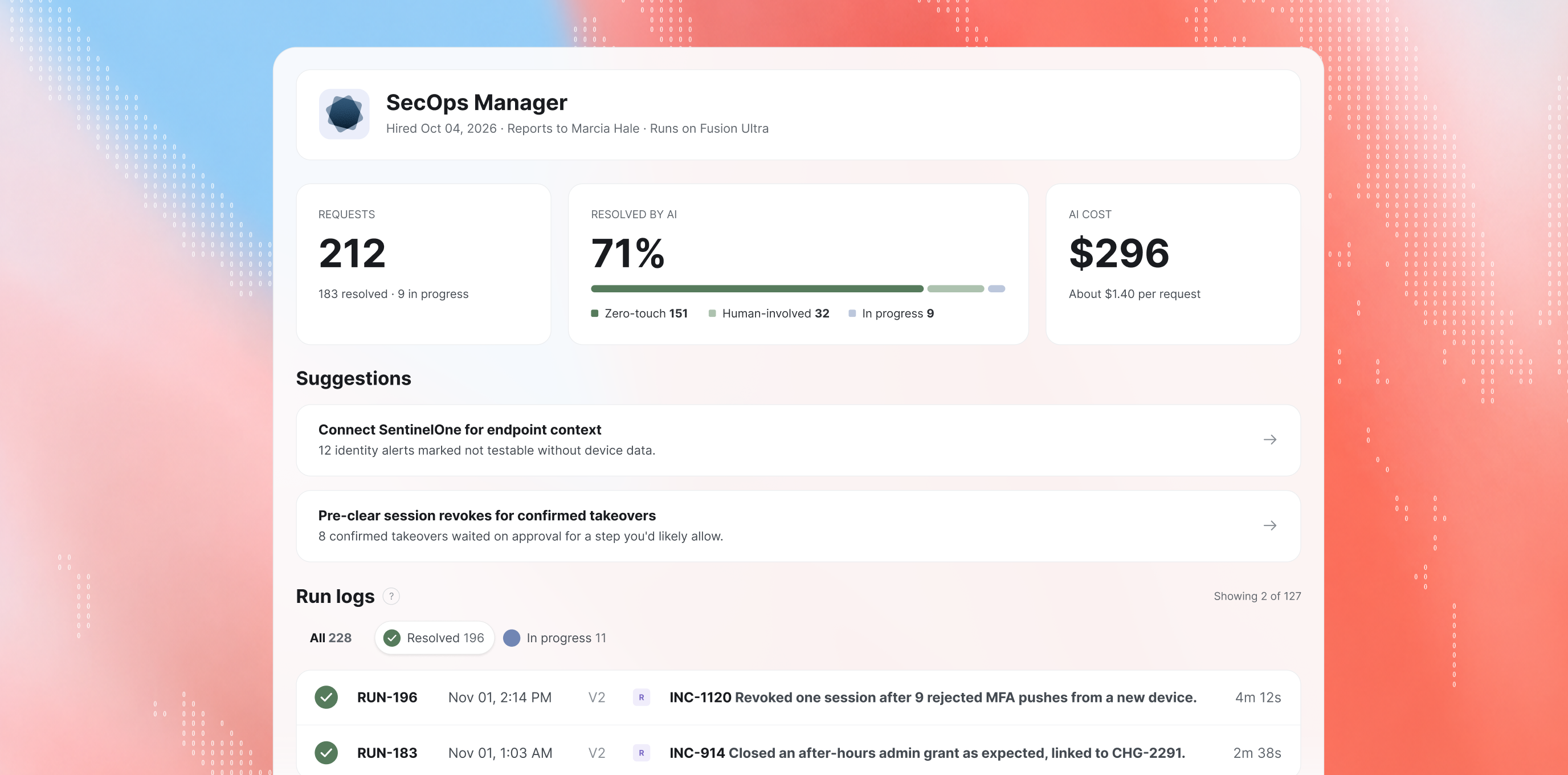
See how the SecOps Manager tells a real attack from a false alarm, and acts before the damage spreads.




Reporting manager
Anything beyond its cleared containment steps goes to the manager first.
Budget controls
Spend is capped monthly, with the cost of each investigation shown.
Audit trail
Every case note cites the log entries and queries behind the verdict.
Drift detection
Flags when its false-positive or escalation rate shifts.
Some turn out to be an access request, a network fault or a cloud misconfiguration. Those go to the coworker who owns them.




The SecOps Manager connects to Okta, Splunk, Palo Alto Networks Cortex, Tenable, Zscaler and AWS, with SentinelOne, Rapid7 and Qualys coming soon. Before every investigation, it checks which of these it can reach and states what it didn’t check.
As much as you allow. It takes the smallest containment step you’ve cleared it for, such as revoking a single session. Suspending an account, isolating a host or blocking a domain goes through your approval workflow with the evidence attached.
It means the logs the Sec Ops Manager could reach can’t support a reliable conclusion. It takes no containment, names what’s missing, and routes the case to an analyst instead of guessing.
Signs of a live, hands-on-keyboard attacker are a page, not a queue item. The SecOps Manager immediately pages your on-call security lead with a scoped summary, then keeps supporting the investigation.
No. Detection stays with the tools you already run. The SecOps Manager works on top of them: it investigates, reaches a verdict, contains narrowly and routes each fix to its owner.